The Ultimate Illinois Car Accident Guide
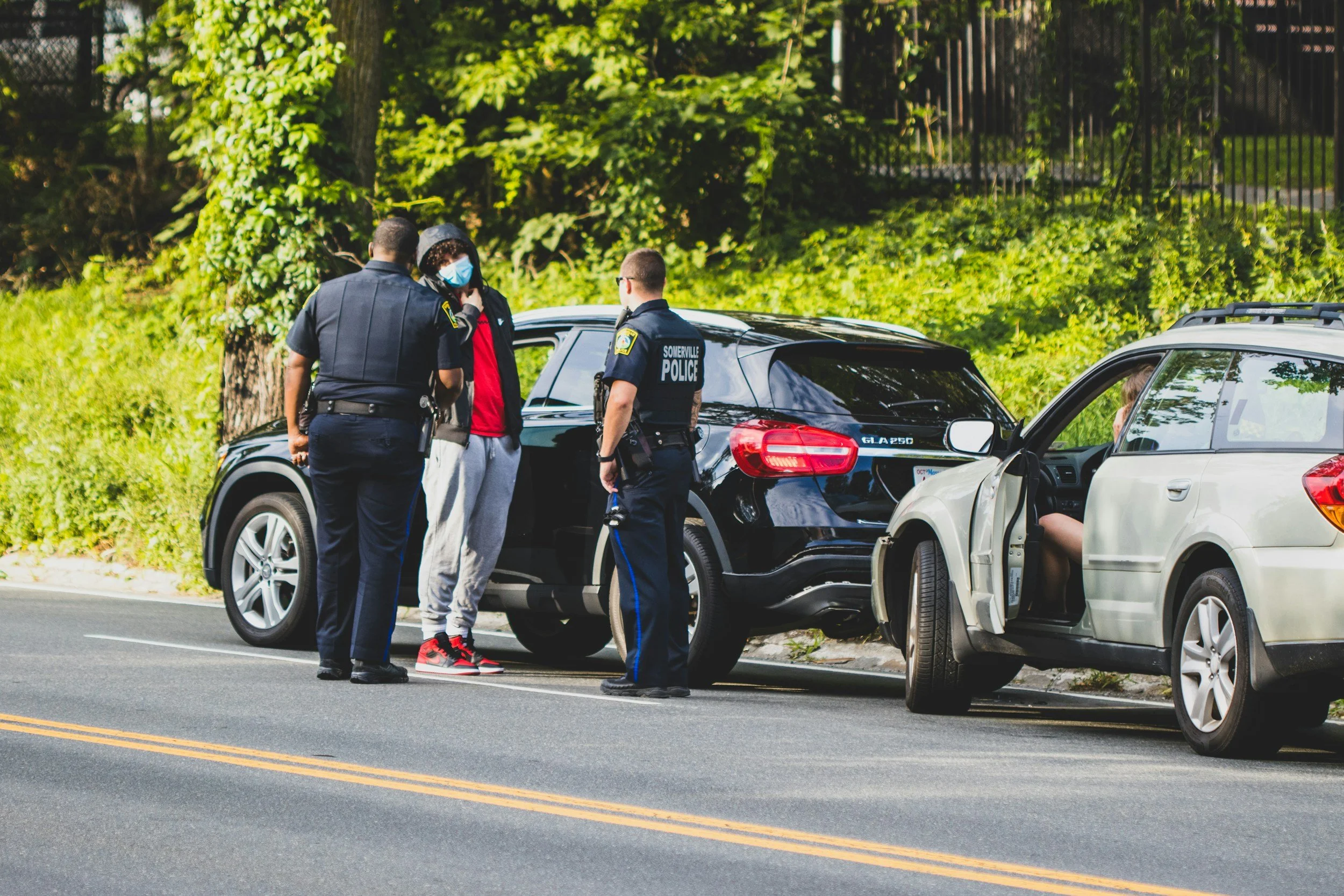
Involved in a car accident in Chicago, the suburbs, downstate Illinois, or anywhere on I-80, I-55, or the Kennedy Expressway?
You’re hurt, confused, and the insurance company is already calling. Take a deep breath — you still have powerful rights under Illinois law, and the next 72 hours will make or break your case.
Facts, timelines, and legal principles that can affect your recovery and next steps after a crash in Illinois.
This is the most complete guide to Illinois car accident laws. No legalese. No fluff. Just what you need to protect yourself and your family — written by Illinois personal injury attorneys who fight these cases every single day at Wojcik Law.
Illinois Fault Rules: Can You Still Get Paid if You’re Partly at Fault?
Illinois uses modified comparative negligence (735 ILCS 5/2-1116) with a 51% bar rule.
Illinois follows the 51% modified comparative negligence rule — 735 ILCS 5/2-1116
Real-life example You’re awarded $200,000 but found 30% at fault → You still collect $140,000.
Illinois Car Accident Deadlines You Cannot Miss
Miss these = your case is permanently barred.
The Immediate 10-Step Checklist
Call 911 (required if damage >$1,500 or any injury)
Move to safety & turn on hazards
Check everyone for injuries – adrenaline hides pain
Take photos/video of EVERYTHING (vehicles, plates, damage, skid marks, signals, injuries)
Get witness names & phone numbers
Exchange info only – NEVER admit fault
Get the police report number (SR, SR-1050, or local form)
See a doctor within 72 hours (prevents “gap-in-treatment” defense)
Notify YOUR insurance – refuse recorded statements to the other side
Call an experienced Illinois car accident lawyer before signing anything
The Hidden Evidence Most People Miss
Event Data Recorder (EDR) – “black box” in 96% of 2015+ vehicles
Traffic-camera footage – disappears in 7–30 days
Commercial truck ECM data & driver log violations
Cell-phone records (subpoena can prove texting)
Rapid-response scene investigation (skid marks fade fast in Illinois winters)
Most Common Illinois Car Accident Injuries & Average Settlement Ranges
Illinois-Specific Hotspots & Danger Zones
Kennedy Expressway (I-90/94) – highest rear-end rate
I-80 Will & Grundy Counties – deadliest truck corridor
Cicero Ave, Pulaski, Harlem – red-light running epidemic
Oak Lawn: 95th & Ridgeland – confusing intersection
Rural Routes 47, 251, 173 – 65% of fatal crashes despite low volume
New Illinois Laws & Rules That Affect Your Case
Hands-free law fines doubled (no touching phone at all)
Move-over law now includes disabled vehicles with flashers
Minimum insurance increased to $30K/$60K/$20K (still too low)
E-scooters & e-bikes treated as motor vehicles in many crashes
The Insurance Company Tricks We See Every Week
“Quick” $2,000 check = full release of all claims
3-day recorded statement used against you later
“Your injuries are pre-existing”
Blaming you for skipping physical therapy
Free Resources Every Illinois Driver Needs Right Now
Official crash reports: buycrash.com
IDOT Crash Facts: idot.illinois.gov/safety
NHTSA recalls: nhtsa.gov/recalls
Our FREE checklist → Download PDF
Top 20 Illinois Automobile Accident FAQs
Do I have to report a minor fender-bender? Yes — if damage appears over $1,500 or anyone is hurt (625 ILCS 5/11-406).
Can I still get money if I was partly at fault? Yes, as long as you’re 50% or less at fault.
How long do I have to file a lawsuit? 2 years injury | 5 years property | 1-year notice against government.
Will my rates go up if it wasn’t my fault? Usually not if the other driver is 100% at fault.
What if the at-fault driver has no insurance? Your uninsured motorist (UM) coverage pays — required on every Illinois policy.
Can I sue for pain and suffering? Yes — no cap in regular car accident cases.
How much is my case worth? Medical bills + lost wages + pain & suffering + future care.
Should I give a recorded statement to the other insurance company? NEVER without your lawyer.
What if the police report is wrong? You have 6 months to request a correction with evidence.
Do I need a lawyer for a minor crash? Only if injuries last more than a couple of weeks.
Can I fix my car before the adjuster sees it? No — take photos first, then get two estimates.
What is “gap in treatment”? Waiting weeks between doctor visits — insurers use it to deny claims.
Do dashcams really help? They win cases.
What if I was hit by a rideshare driver (shared-ride company)? They carry $1M+ policies, but the process is complex and time-sensitive.
Can I get paid for lost wages? Yes — bring pay stubs and doctor’s note.
What if the crash made an old injury worse? You recover for the aggravation (“eggshell plaintiff” rule).
How long does a case take? Minor: 3–9 months | Serious: 12–24 months.
Do most cases go to trial? Less than 3%.
What are current Illinois minimum insurance limits? $30,000 per person / $60,000 per crash / $20,000 property damage.
When should I definitely call a lawyer? Broken bones, surgery, ambulance, death, disputed fault, commercial truck, rideshare, or pressure from insurance.
You Don’t Have to Fight Alone
Traffic accidents can be physically, emotionally, and financially overwhelming — especially when you’re unsure of what your rights are under Illinois law. Whether it’s a multi-vehicle pileup or a rear-end crash at a local intersection, it’s critical to understand your options, your obligations, and how Illinois statutes may apply.
If you or a loved one has been injured in an Illinois car, truck, or motorcycle crash, the insurance giants already have their team. You deserve yours.
Call Wojcik Law 24/7 at (773) 725-5000 or contact us here for a free, no-pressure case review. We advance all costs — you pay nothing unless we win.
Wojcik Law – Fighting for Illinois crash victims in Chicago, Oak Lawn, Cicero, Burbank, Kane County, Will County, and statewide since 1993.
Stay safe out there, Illinois, and take every precaution to protect yourself. But if the worst happens and you find yourself in a difficult situation, remember that we’re here to support you every step of the way.
What to Do Immediately After a Crash
Here are the most important steps to take:
Call 911 and request emergency assistance.
Exchange information (names, license plates, and insurance).
Avoid admitting fault or making speculative statements.
Document the scene with photos and notes.
Seek medical care, even if you feel fine — some injuries appear later.
File a police report (mandatory in Illinois for most crashes).
Your documentation will become crucial when you file insurance claims or provide evidence to any third parties later.
Understanding the Claims Process in Illinois
Insurance companies will conduct their own investigations to determine liability and evaluate damages. This includes:
Reviewing dashcam or surveillance footage (if available)
Examining vehicle damage and skid marks
Reviewing police and witness reports
It’s common for both parties’ insurers to dispute liability. That’s why documentation, timelines, and follow-up medical records can make a major difference.